
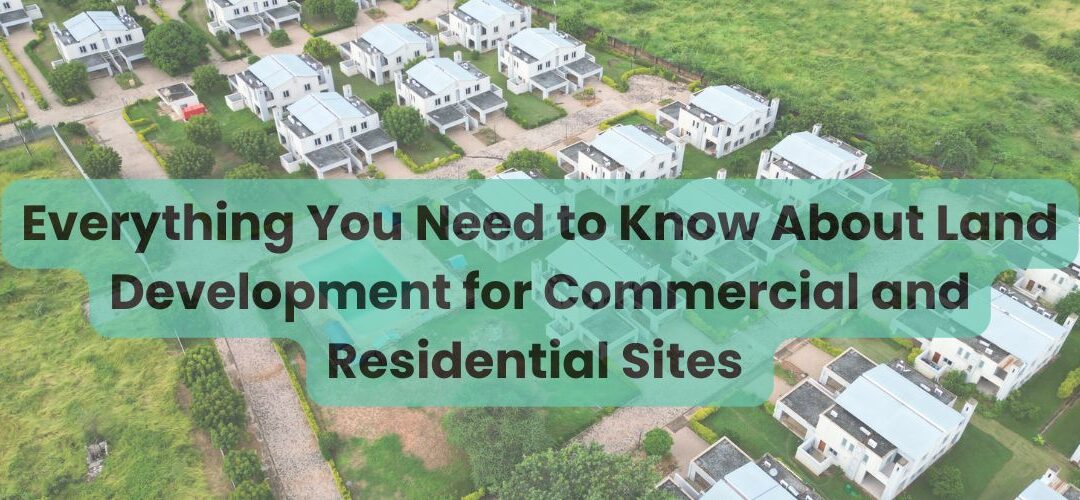
Developing land for commercial or residential use is definitely a complex process that goes far beyond cleaning the land and pouring concrete. The work starts long before the physical work begins. It starts with vision, strategy and careful coordination to make it successful. While commercial and residential developments often follow different paths, both demand thoughtful planning, technical know-how, and a good grasp of local regulation and site limitations.
This blog is all about the essentials of land development for commercial and residential sites in DC to help property investors, developers, and all those curious about how raw land becomes a built environment.
Understanding The Basics of Land Development
Land development is the process where a completely undeveloped land is converted into functional space that could serve the community. It involves far more than just breaking ground. It involves a multifaceted process that blends technical planning, design coordination, and strategic decision-making to prepare land for future use.
At its core, land development requires assessing feasibility, designing infrastructure and securing necessary approvals before any work actually starts. A team of skilled professionals (like civil engineers, surveyors, and urban planners) comes together to collaborate. They evaluate the land’s potential and look after many factors, including soil stability, drainage, accessibility, and zoning regulations.
While purchasing the land is the first step, the real investment lies in development costs, which include engineering fees, permits, labor, and infrastructure installation. However, the cost varies significantly based on location, terrain, and project scope. All these factors make financial planning truly indispensable.
The Ins and Outs of Site Development
The first step is securing the site. Then comes preparing it for construction and transforming raw land into a build-ready site. This phase lays the groundwork before the main job takes center stage.
Zoning and Regulatory Approvals
Every inch of the land comes with predefined zoning regulations that determine whether it can be used for housing, retail, manufacturing, or other purposes. If your project wouldn’t align with these classifications, rezoning may be necessary. It’s a process that often involves legal procedures and additional expenses. This phase requires much of patience and budget allocation takes place because securing construction permits is a very critical hurdle.
Land Preparation for Construction
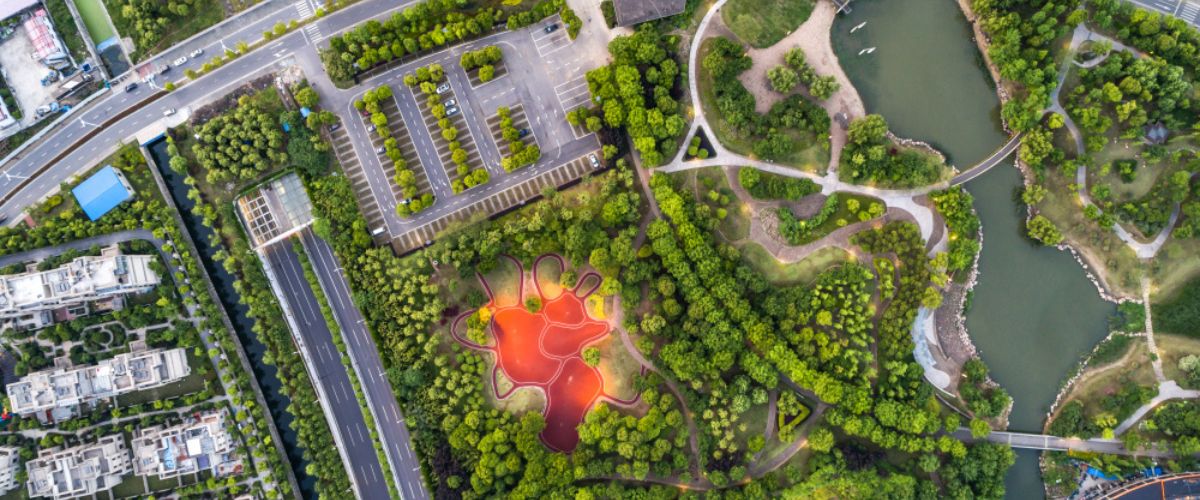
Site preparation isn’t just about simple clearing of the land. It requires a lot of effort, especially when it comes to shaping the land to meet project requirements. On the other hand, other tasks like demolishing existing structures, leveling uneven terrain, or even removing natural obstacles like boulders take place. Apart from that, utility installation is also another component to consider. This is important to ensure water, power, and sewage systems are in place before building commences. At last, dealing with all these works means costs can vary dramatically. For example, heavily wooded or rocky sites may demand far more resources than a flat plot.
Assessment of Land Condition
Assessing the land condition is very important before breaking the ground. Because it’s best to have thorough environmental and geological studies than to have little knowledge that might be of no use. Furthermore, soil tests, groundwater analysis, and contamination tests can help identify potential challenges (from unstable foundations to hidden pollutants). If you skip these steps, you’ll likely risk cost setbacks down the line.
Land Development Process
Land development goes far beyond clearing land and starting construction; it’s a coordinated process that shapes how spaces are planned, built, and used. Step by step, the process transforms raw land into a finished project. Here’s how each phase contributes:
1. Site Analysis
A thorough site assessment is done before any design begins. Dedicated professionals evaluate soil composition, drainage patterns, and topography, as well as existing vegetation. Zoning laws and local regulations are reviewed to determine what can—and cannot—be built. This phase identifies both opportunities and constraints, shaping the entire project’s trajectory.
2. Land Use Planning
Different types of developments, including residential, commercial, or mixed-use, need different layouts. Planners utilize the data to figure out the greatest and highest usage for the location. Traffic flow, density, and neighborhood effect are all taken into account to come up with a unified vision that fits with what the market wants and what the city says it should be.
3. Engineering Design
Civil engineers translate plans into actionable designs. Roads, utility networks, stormwater systems, and grading plans are meticulously drafted. This stage balances functionality with cost-efficiency, ensuring the site can support future construction while adhering to environmental and safety standards.
4. Environmental Reviews and Permitting
Getting regulatory permissions is very important. Permits from the government show that the project follows the law, and environmental impact studies look at how it affects local ecosystems. Delays here can slow down progress, so it’s important to get in touch with the authorities as soon as possible.
5. Construction
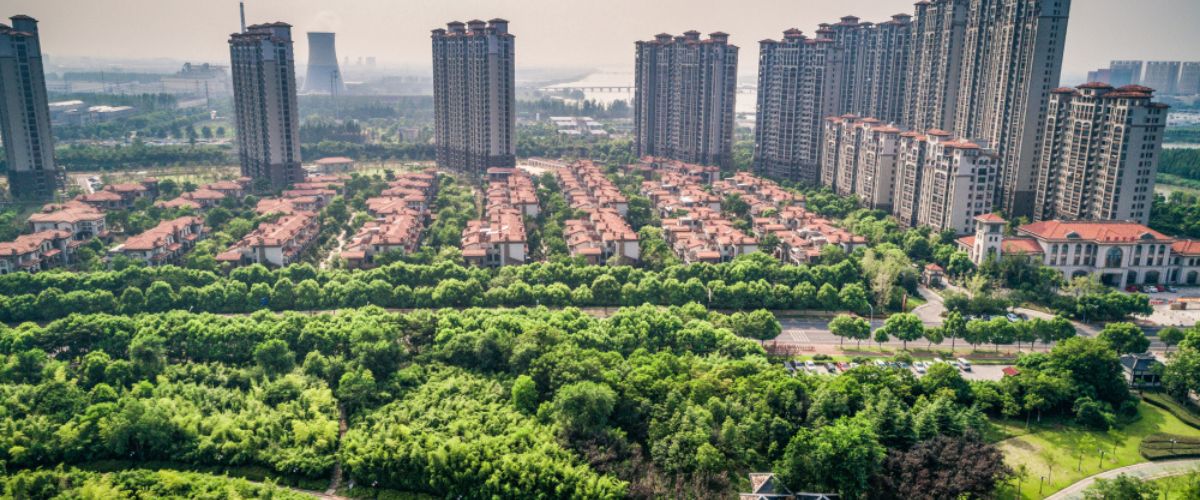
Heavy machines come in to level the site, put in utilities, and get the construction pads ready. To avoid delays, contractors must work together. However, there may be unexpected problems, such as rough ground or hidden trash, that need flexible solutions.
6. Final Reviews
The last layer makes things look better. To make the space more useful and attractive, native plants, walkways, and green spaces are all combined. Proper landscaping also helps with drainage and cuts down on the need for long-term upkeep.
Conclusion
After all the stages are handled properly, the site transits from a concept to a ready-to-use space. To make land development work, you need to find a balance between your vision and what is practical. Every choice, from soil tests to pavement thickness, affects how long the project will last and how much it will be worth.
The above-mentioned systematic methods and concepts are very useful, especially for developers in order to avoid last-minute surprises and finish projects. For expert guidance through every phase of land development for commercial and residential sites in DC, Sera Engineers combines technical precision with innovative solutions to turn challenges into opportunities. We don’t just navigate the complexities of land development; we redefine what’s possible. With cutting-edge engineering solutions and a results-driven approach, we turn obstacles into advantages, delivering projects that exceed expectations. Our expertise ensures timelines are met, budgets are optimized, and quality is never compromised.
Because when vision meets execution, extraordinary results follow. Partner with Sera Engineers—where ambitious development goals become tangible success stories.